
Insomnia
When Sleep Stops Coming Naturally.
Insomnia is a common sleep disorder that affects approximately one‑third of adults. Symptoms include difficulty falling asleep, frequent waking, restlessness at night, disordered sleep cycles, and dream‑disturbed sleep. While drugs are frequently prescribed, acupuncture is a safe and effective non‑pharmaceutical alternative.
How Acupuncture Works for Insomnia
Sleep is when everything gets fixed
Sleep is not passive. It is when the brain consolidates memory, clears metabolic waste, regulates mood, and repairs cellular damage. Chronic sleep deprivation disrupts every neurological system impairing cognition, destabilizing mood, and accelerating aging at a cellular level.
In Chinese Medicine, difficulty falling asleep and difficulty staying asleep are two distinct patterns that require different treatment. Difficulty falling asleep may reflect Blood deficiency. The Shen has no anchor, and the mind cannot descend into rest. Waking in the early hours may reflect internal heat rising, with Yang disturbing the Heart and pulling the body from its deepest stages of sleep. Acupuncture addresses whichever pattern is present, restoring the conditions the brain needs to truly rest.
Holistic & Personalized Care
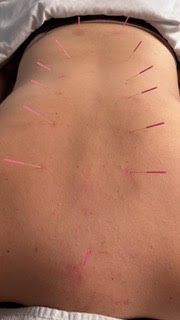
Acupuncture works best when supported by consistent sleep habits.
TCM recommends sleeping and waking at regular times, avoiding screens and heavy meals before bed, and winding down with warmth, a light walk, gentle stretching, or a cup of ginger and jujube tea.
Small habits, practiced consistently, make treatment significantly more effective.
Ready to Begin Your Healing Journey?
Take the first step toward deep, restorative sleep and vibrant whole‑body wellness.
Book Appointment →